



 En
En

For many people, their first introduction to Raspberry Pi may have been in a lab, on a dorm room desk, or through a maker project. A credit-card-sized development board, combined with a little bit of code, could turn into all kinds of creative and exciting inventions.
But more than a decade later, Raspberry Pi has discovered something fascinating: the young people who once learned programming with Raspberry Pi have now become engineers — and they are bringing this “little computer” into real-world industrial applications.
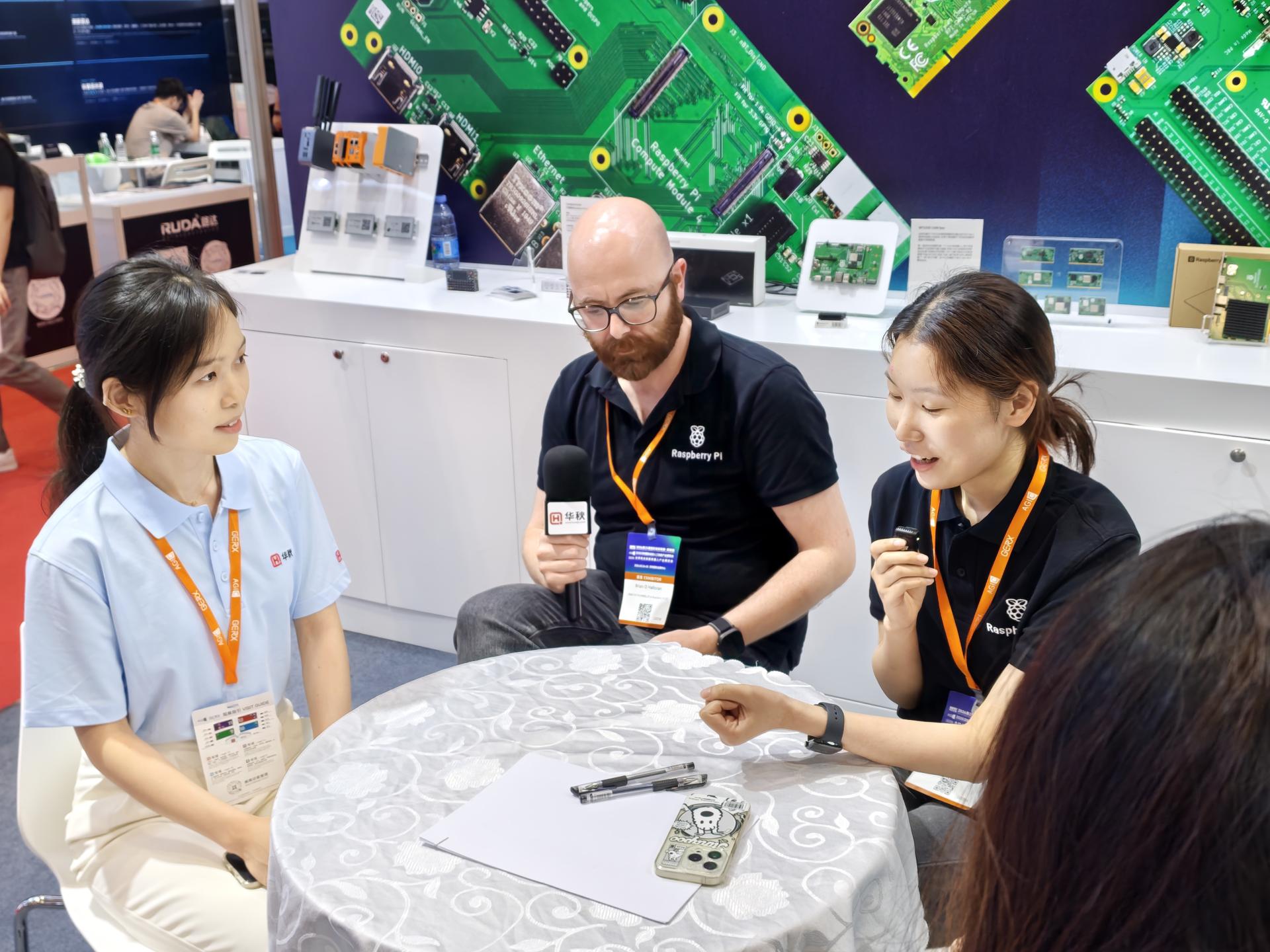
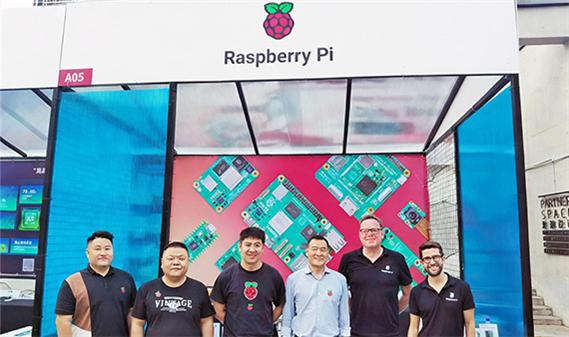
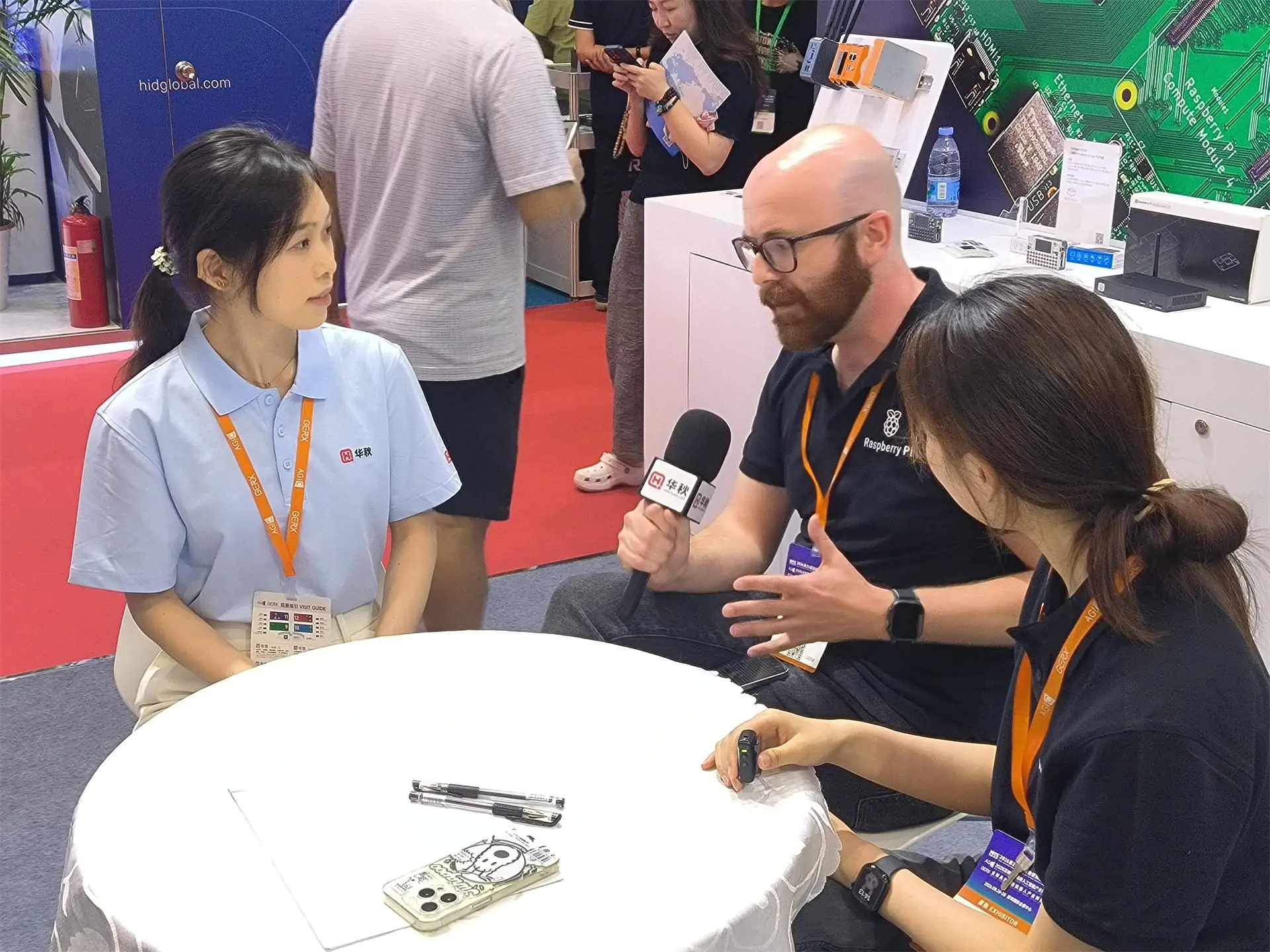
During the Shenzhen International IoT Exhibition jointly attended by EDATEC and Raspberry Pi, Raspberry Pi Brand Manager Brian O’Halloran sat down with Huaqiu for an interview. He shared his first impressions of attending IOTE in Shenzhen, as well as Raspberry Pi’s perspectives on the Chinese market, industrial computing, and the future development of AI.
If you prefer watching videos, you can view the full interview below:https://www.youtube.com/watch?v=tuQixOw91PQ
Here, it feels like people have truly “figured out” Raspberry Pi
For Brian, his first experience at IOTE Shenzhen could be summed up in one word: surprising. “It’s great to be here in Shenzhen for IOTE. The demonstrations we’ve seen and the conversations we’ve had with users here have been truly impressive.”
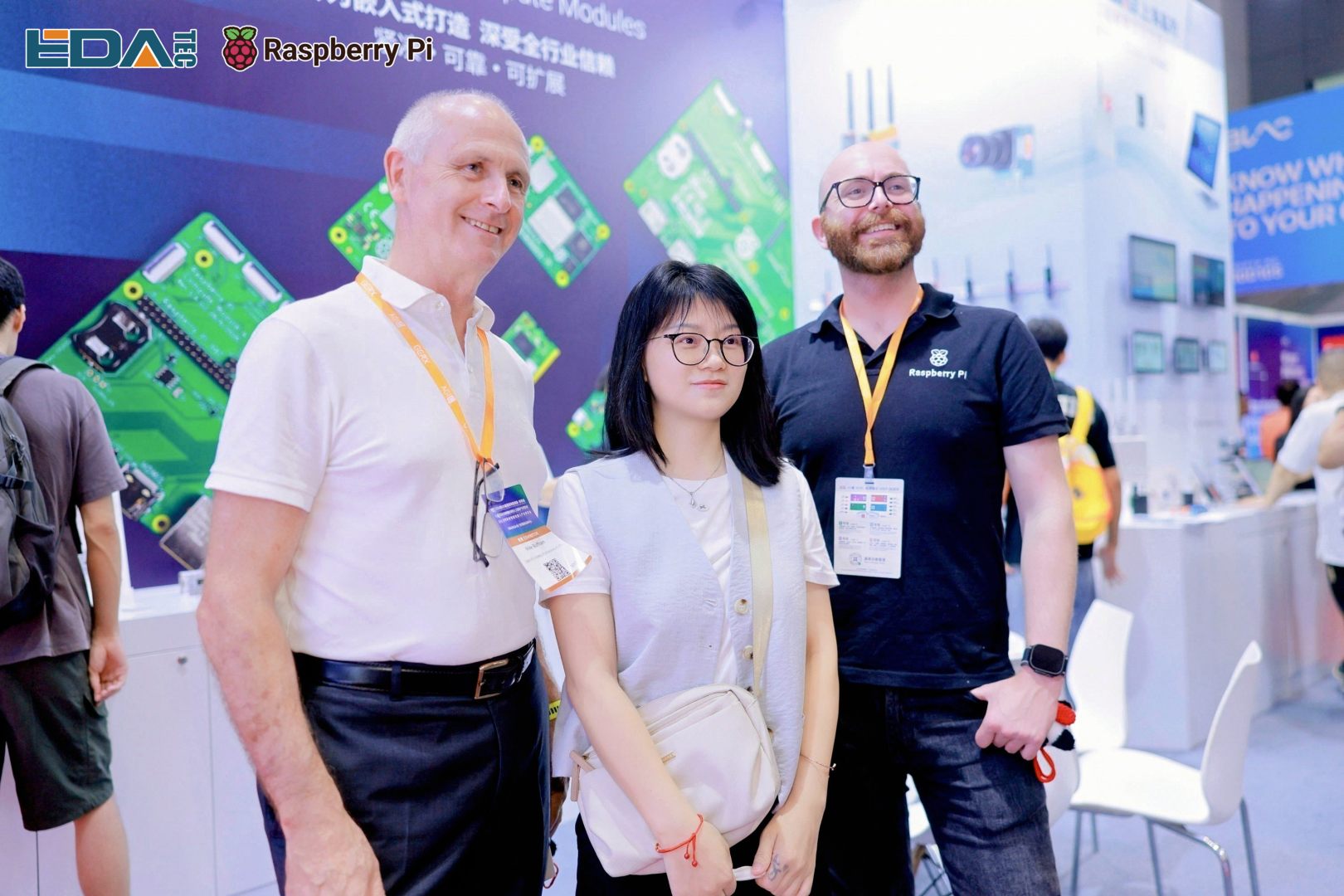
Brian noted that Shenzhen, as one of the world’s leading technology innovation hubs, naturally has a strong technology ecosystem. The exhibition further showed him how Chinese developers and companies are constantly exploring new possibilities with Raspberry Pi.
However, what impressed him most was not any single product, but what users are creating with Raspberry Pi:“Some of the users we spoke with are using the Raspberry Pi platform to build truly amazing projects.”These projects span a wide range of applications: some users are creating personal maker projects with Raspberry Pi; others are applying it to environmental control systems in commercial buildings; while some are using it to develop affordable medical devices.
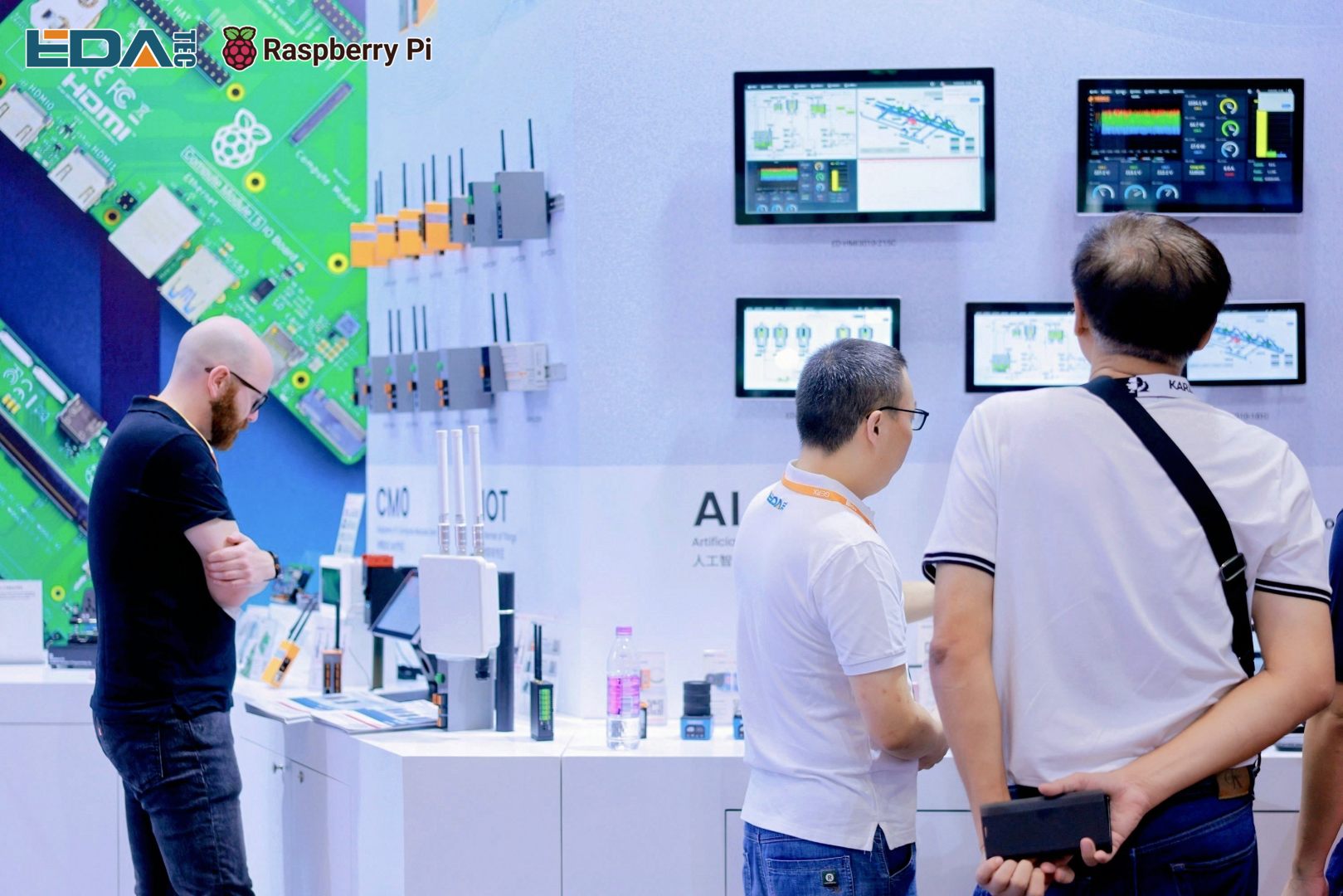
From desktop hobby projects to real-world industry applications, Raspberry Pi is undergoing a transformation in its identity.Brian smiled as he explained:“Originally, we simply wanted to help more people learn about computers. But now, the people who grew up learning with Raspberry Pi are using it to transform their own industries.”
The Chinese Market: More Than Expansion — A Journey of “Continuous Learning”
As a UK-based company, Raspberry Pi has accumulated extensive experience in European and North American markets. However, Brian acknowledged that the Chinese market has its own unique characteristics, and Raspberry Pi needs to spend more time understanding and engaging with it.
Brian said:“We have a deep understanding of Western markets, but the Chinese market is something we continue to learn from and explore.”Fortunately, Raspberry Pi is not taking this “exam” alone.
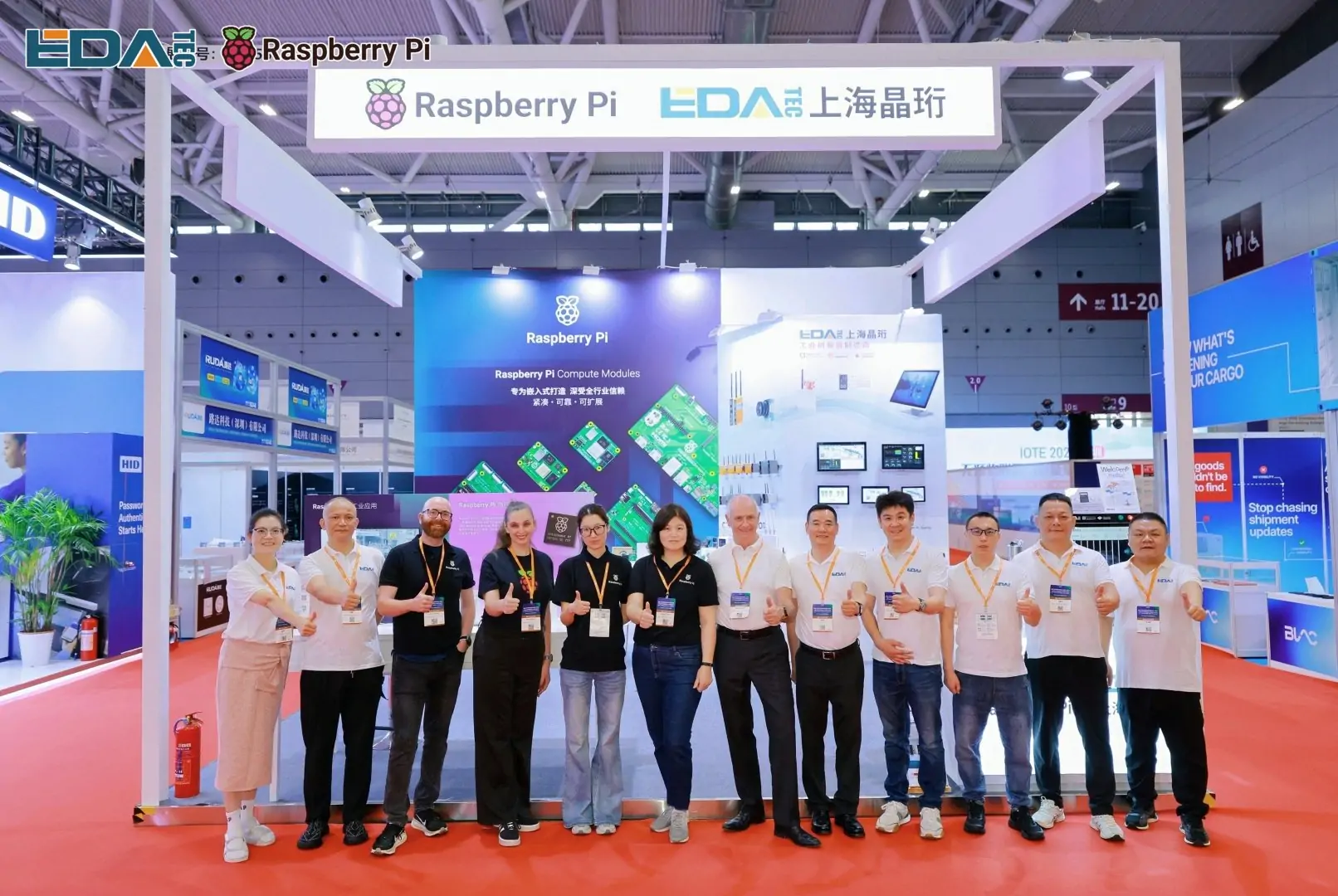
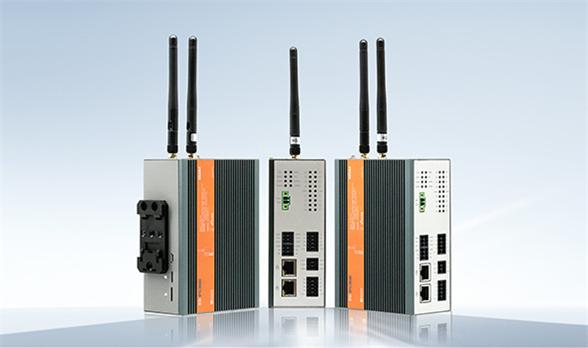
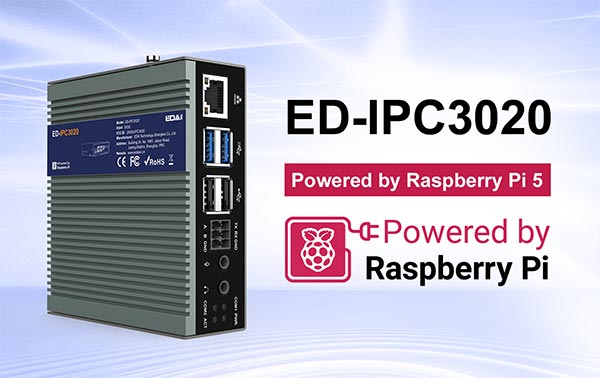
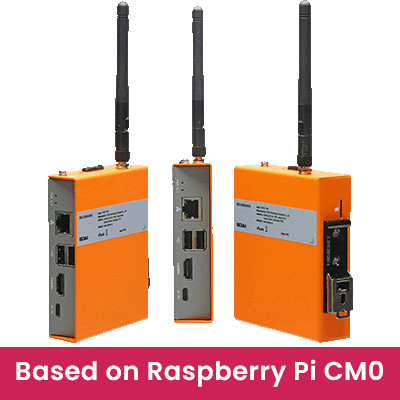
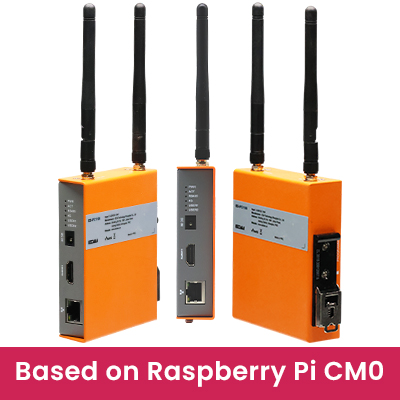
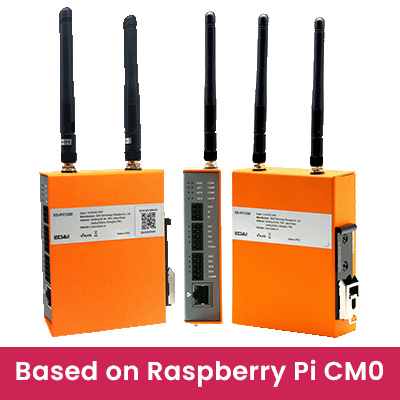
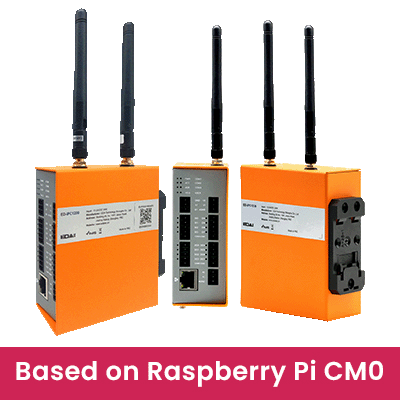
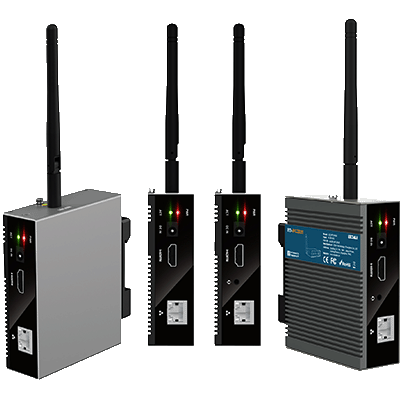
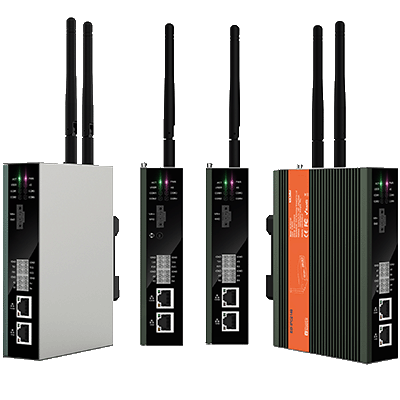
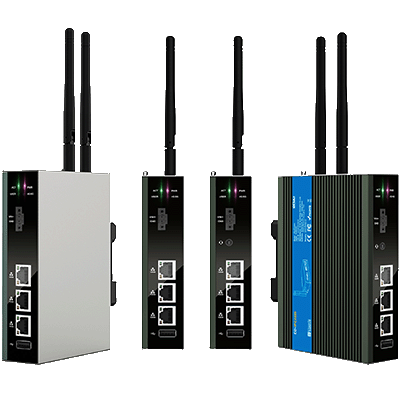
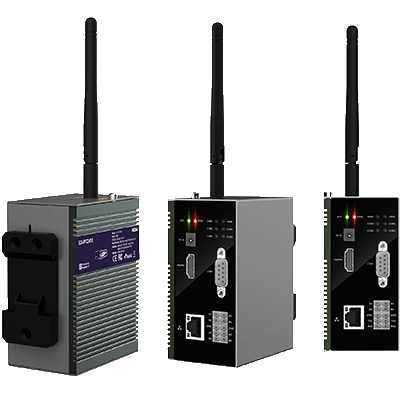
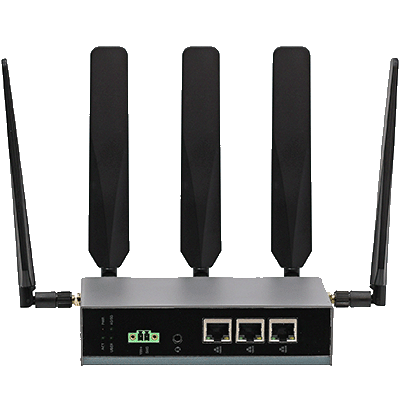
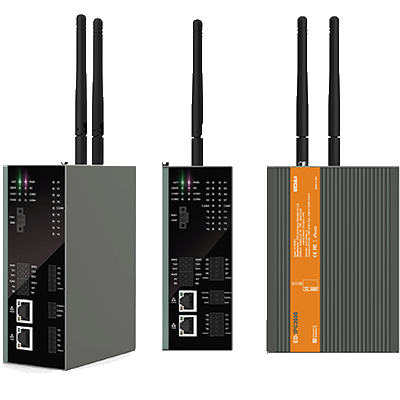
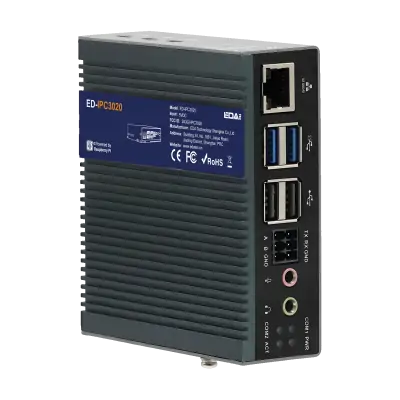
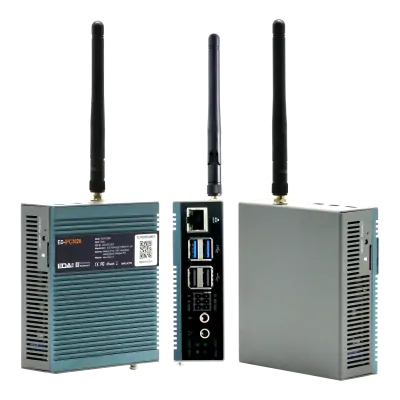
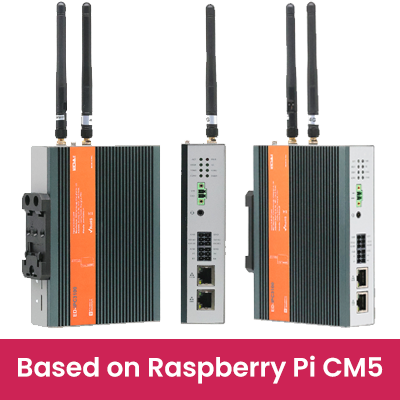
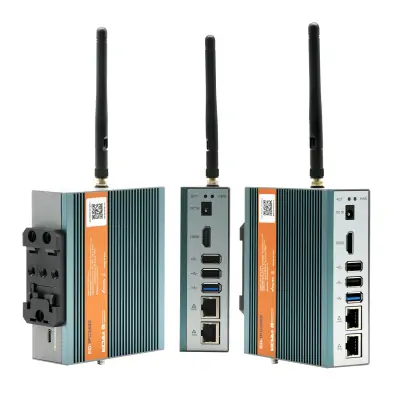
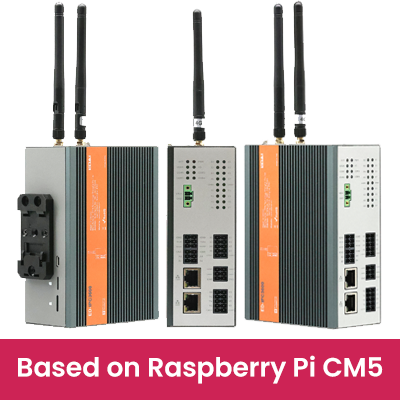
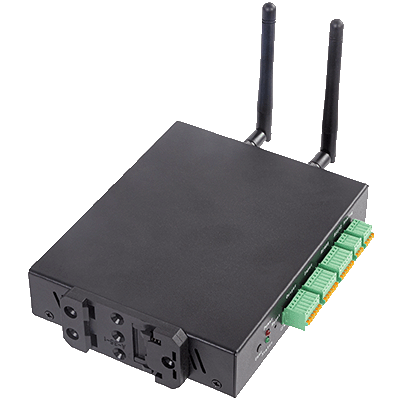
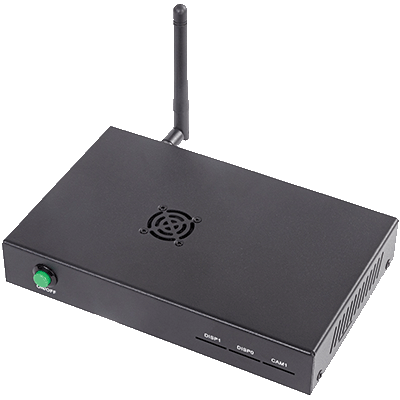
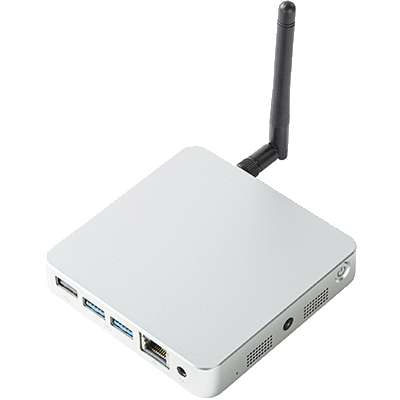
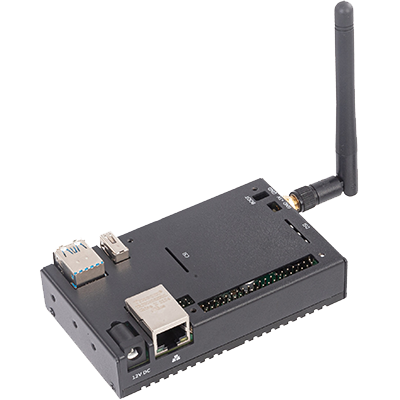
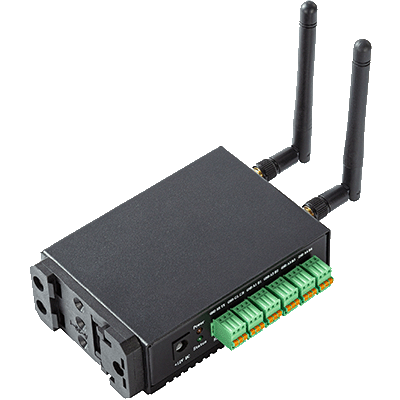
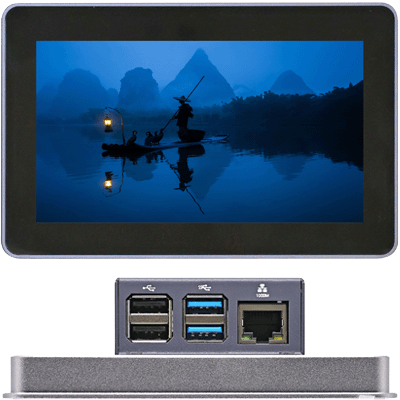
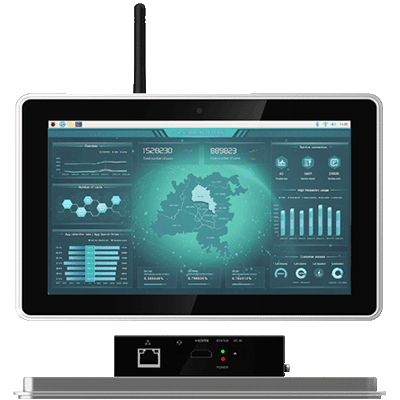
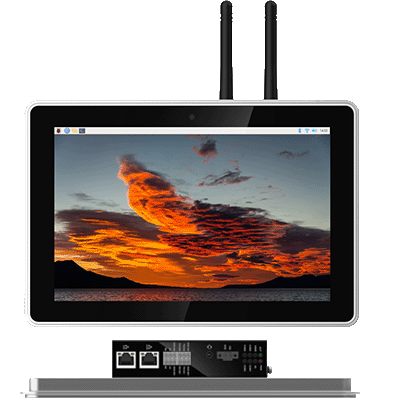
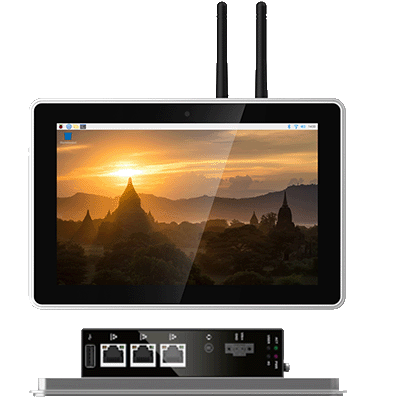
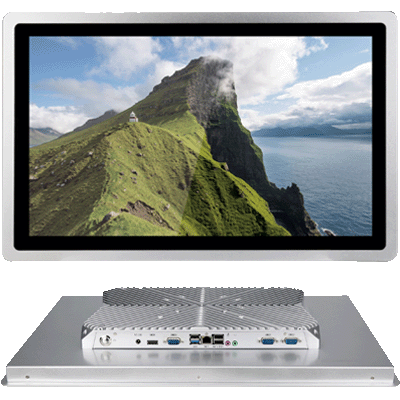
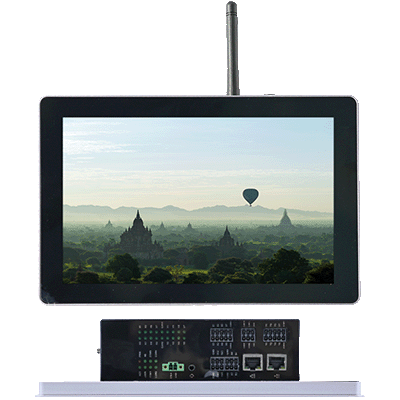
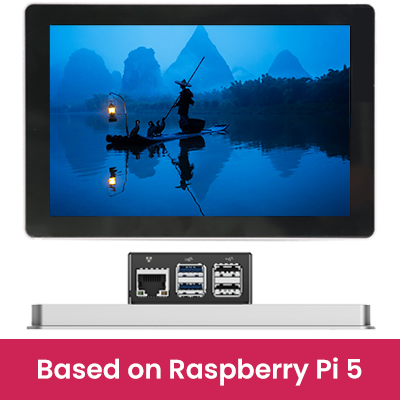
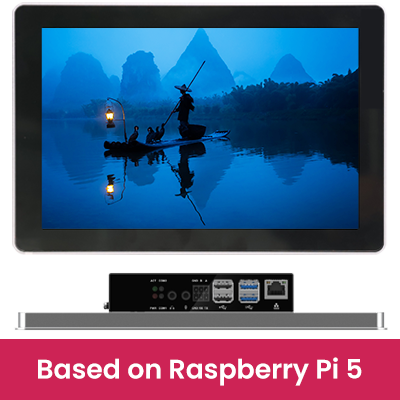
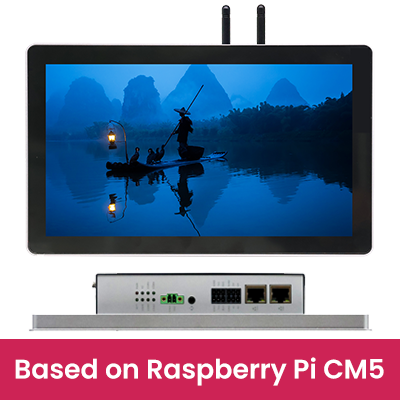
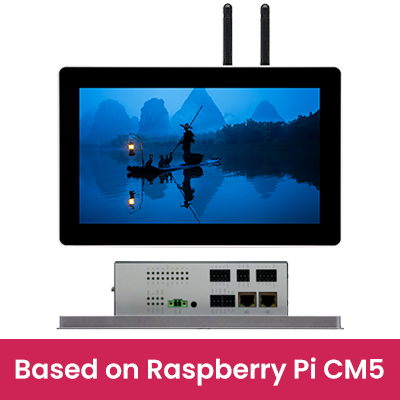
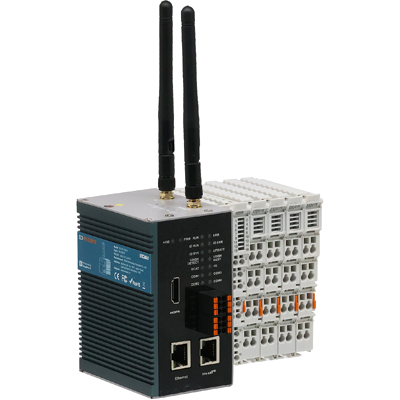
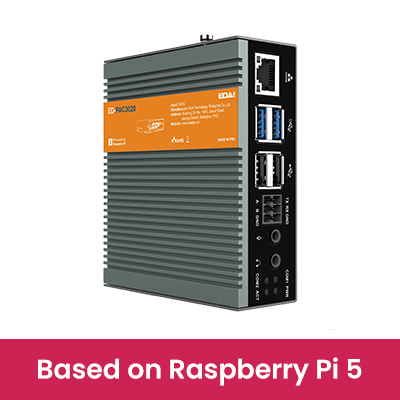
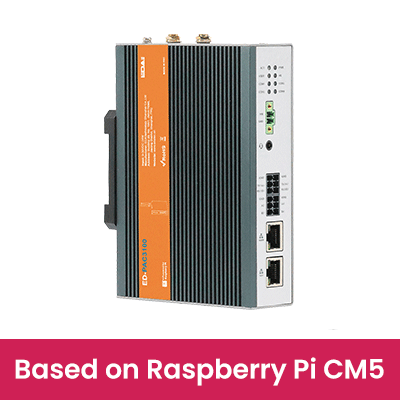
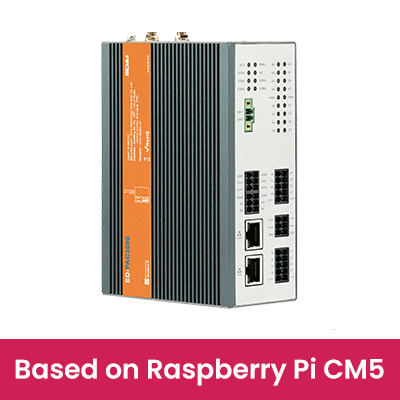
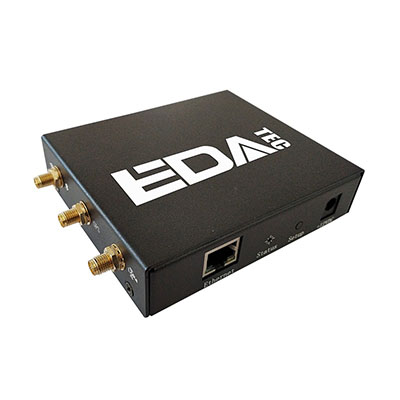
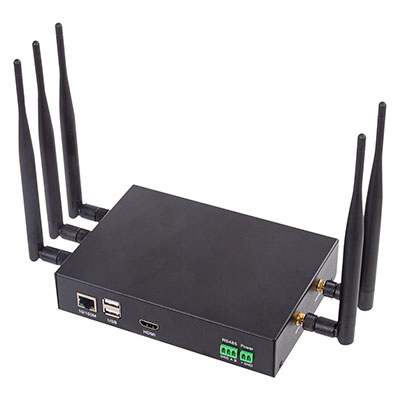
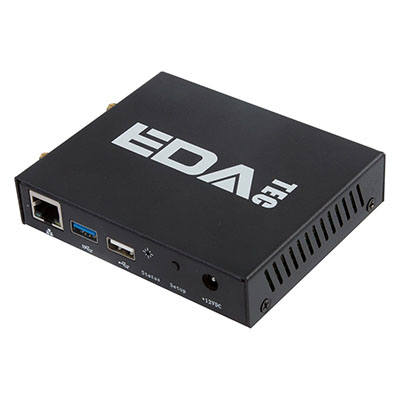
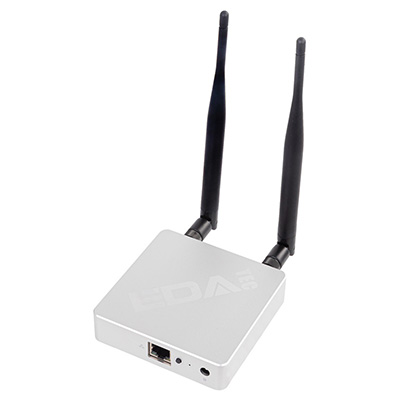
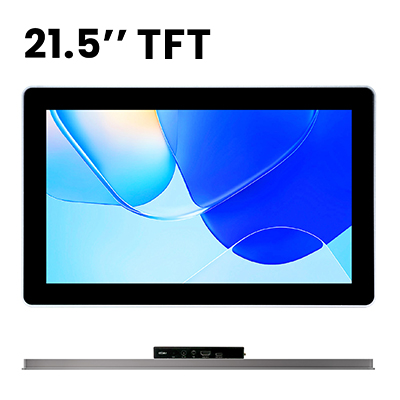
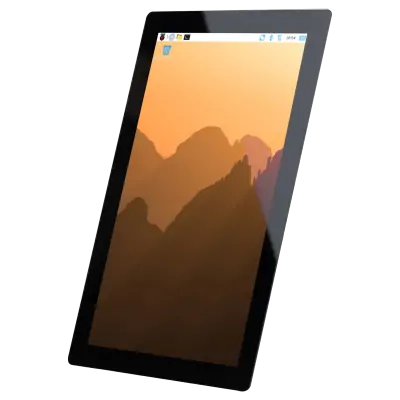
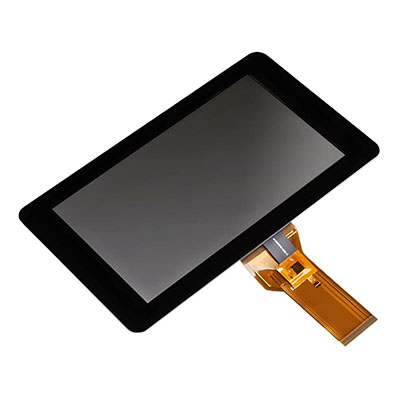
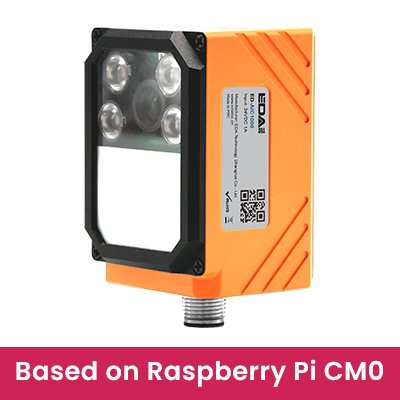
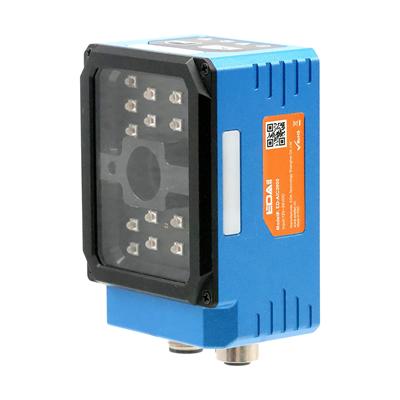
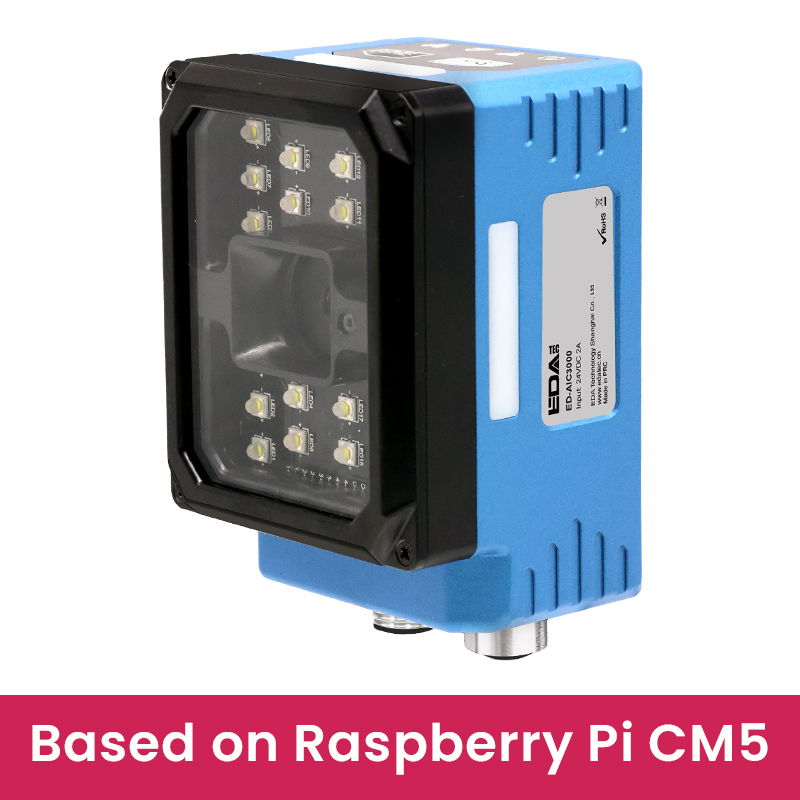
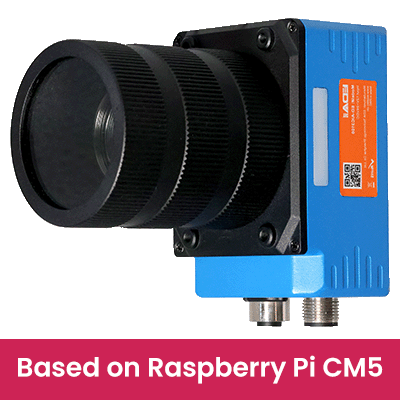
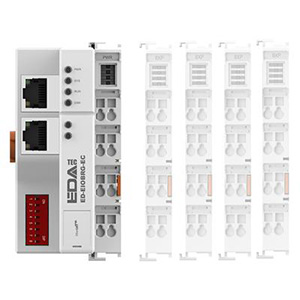
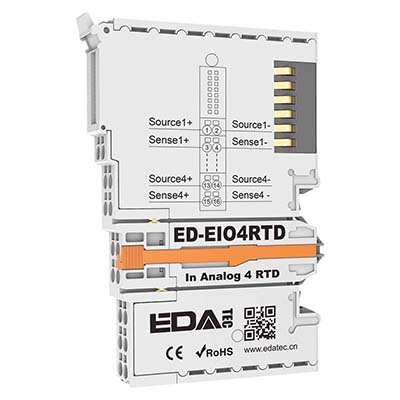
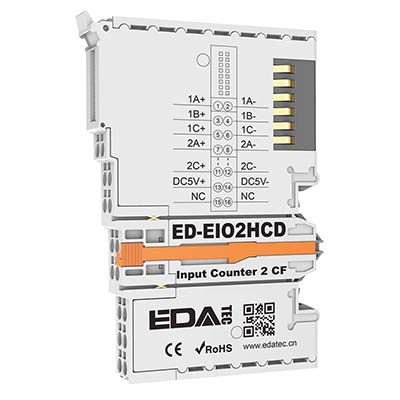
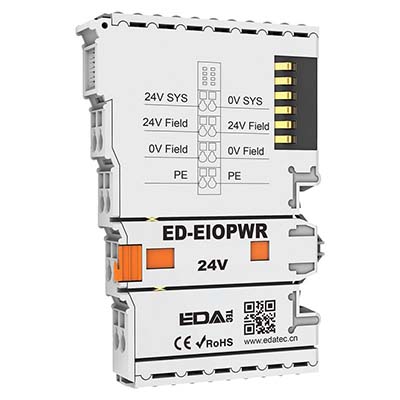
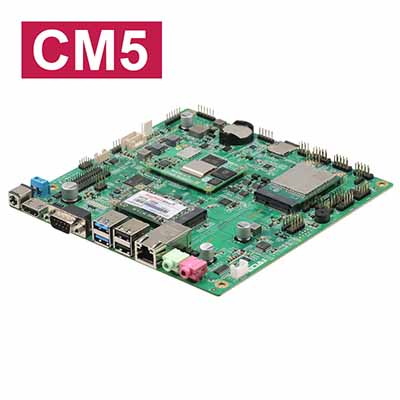
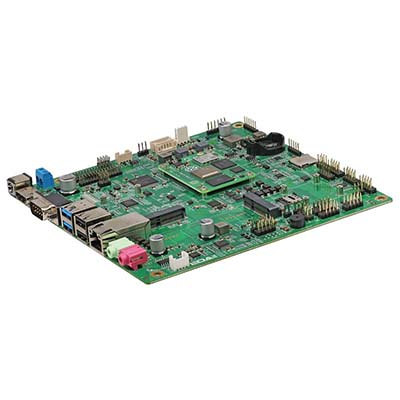
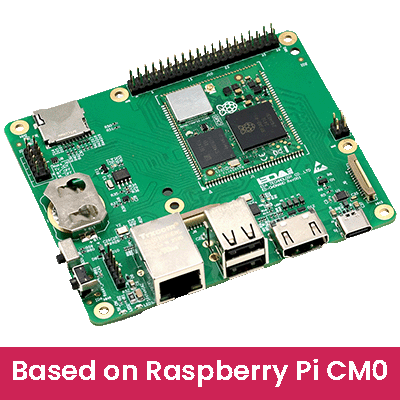
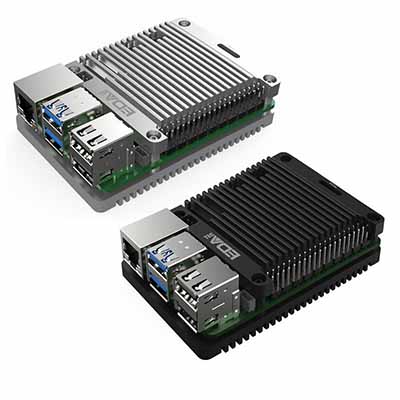
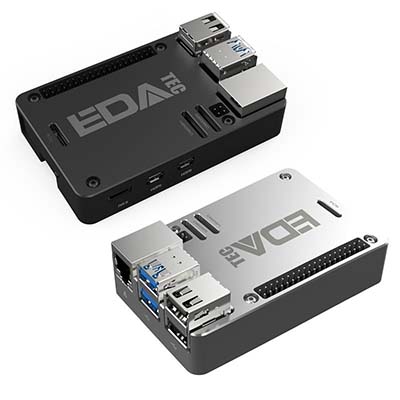
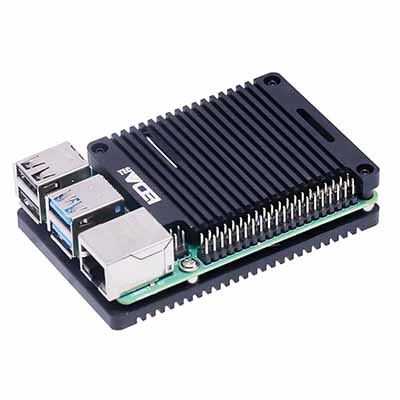
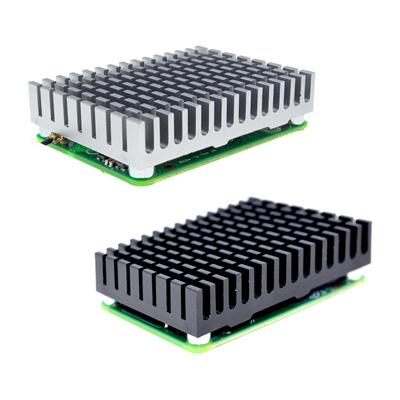
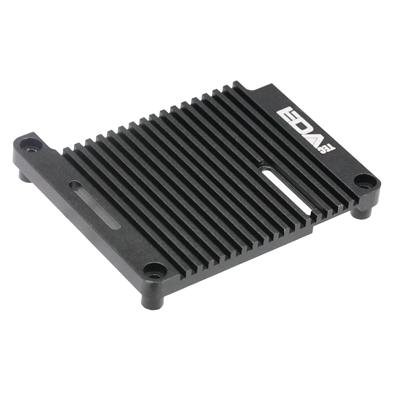
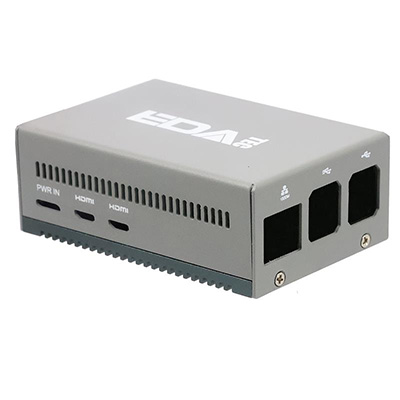
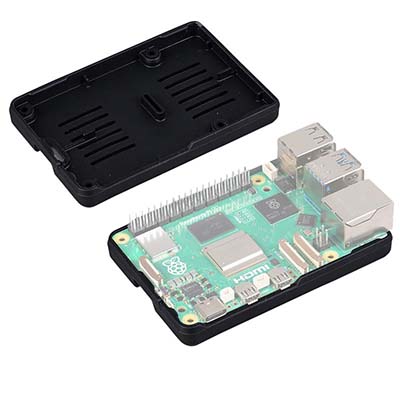
In the Chinese market, Raspberry Pi is working with an increasing number of local partners. Among them, EDATEC is one of its key partners.Brian explained:“EDATEC has developed many exciting and practical products based on the Raspberry Pi platform, helping bring our technology into real-world applications more effectively.”
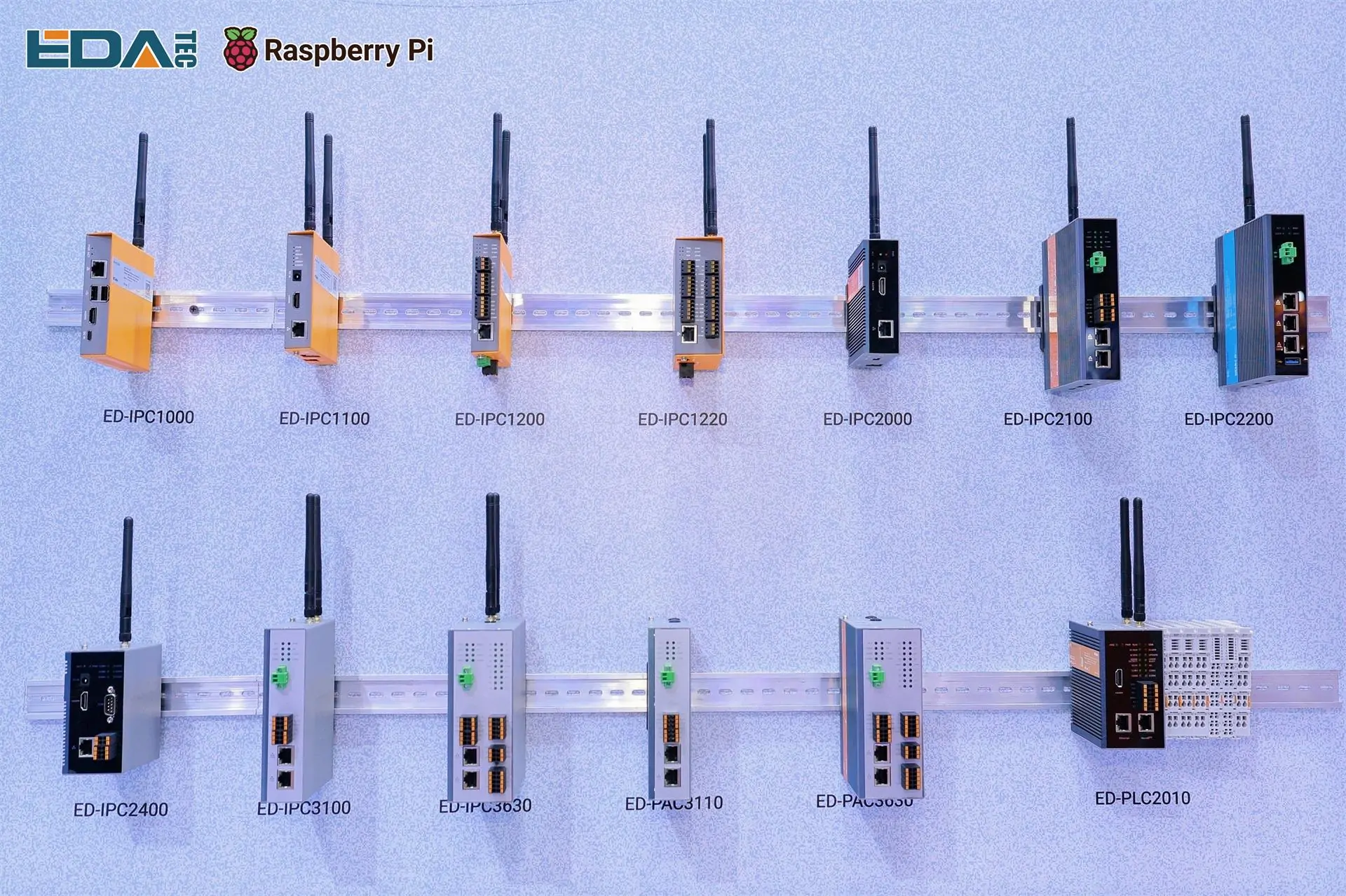
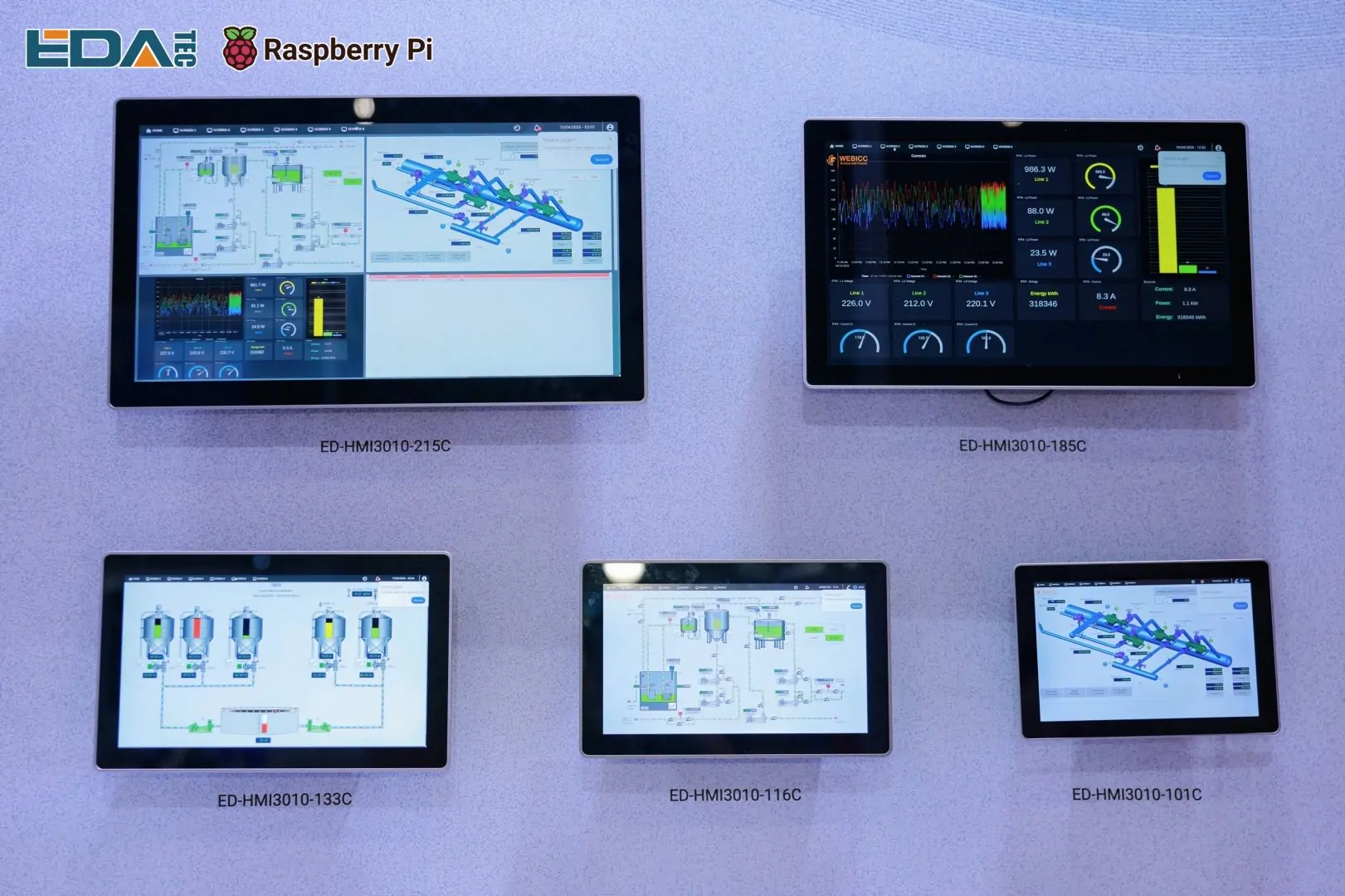
Beyond its partner ecosystem, Raspberry Pi is also strengthening its local communication efforts. Currently, Raspberry Pi has established Chinese-language social media channels, including WeChat Official Account, Bilibili, and Xiaohongshu, aiming to maintain more direct engagement with developers and businesses in China through these platforms.
Simply put: in the past, Raspberry Pi was “waiting for users to discover it.” Going forward, it aims to “actively get closer to users.”
From “Toy” to Industrial Platform: Raspberry Pi’s Identity Transformation
If the first chapter of Raspberry Pi’s story was about education and the maker community, it is now entering a new phase of industrial computing.
Brian believes that Raspberry Pi’s growth has been a long-term evolution. In the beginning, Raspberry Pi’s mission was to help young people learn computer science and make hardware and software development more accessible to everyone.
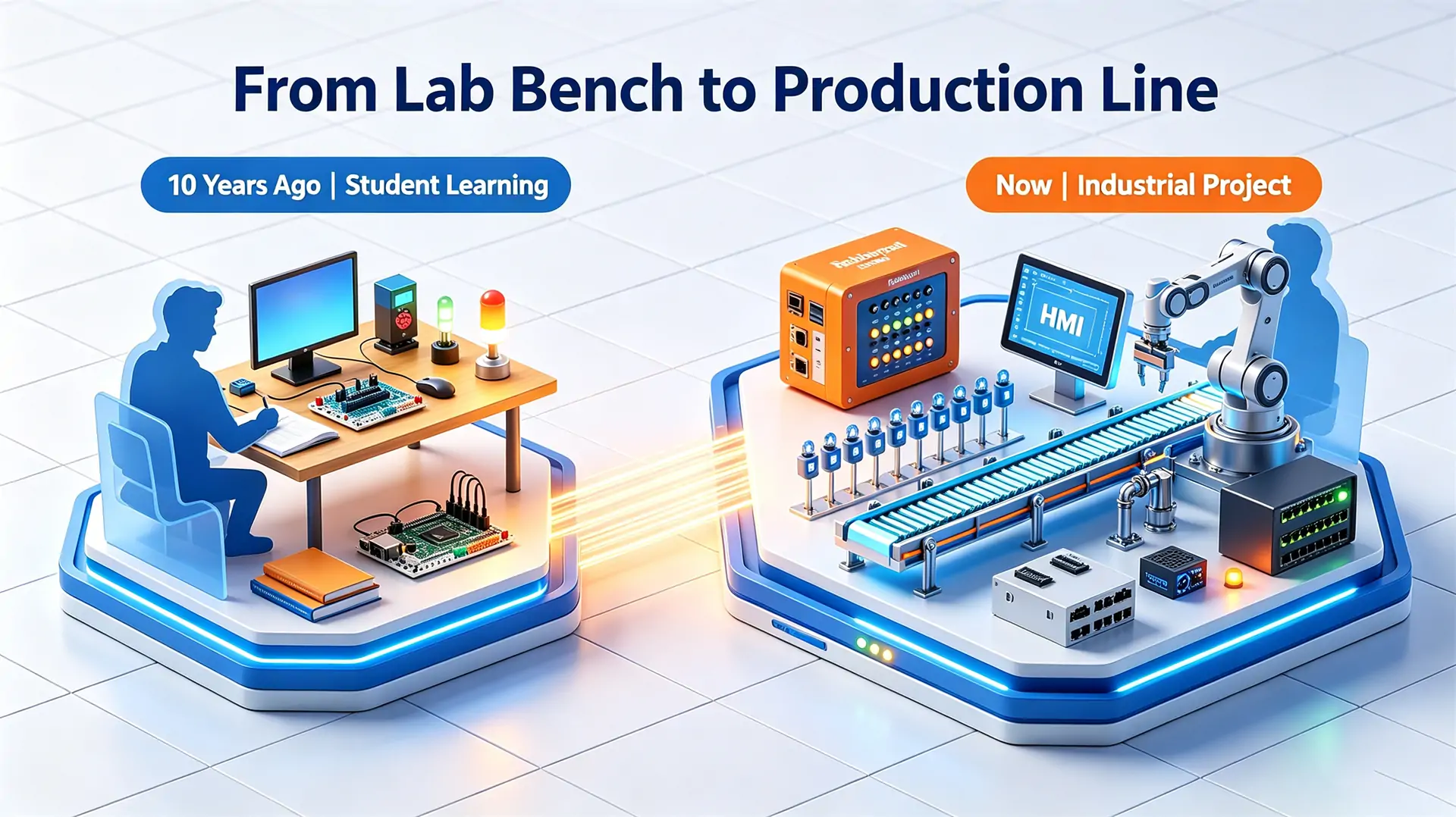
But more than a decade later, something fascinating happened: the young people who once learned programming with Raspberry Pi have now become engineers and developers, bringing the familiar platform into their professional environments.
They discovered that:“The platform they used to learn about computers as children can now become a tool for solving real industrial challenges.”
This has become one of the key reasons behind Raspberry Pi’s transition from the maker ecosystem into industrial applications.
The AI Wave Arrives: Raspberry Pi Prepares a New “Stage”
Beyond industrial computing, AI is another key area that Brian is closely watching.He said:“Just as IoT transformed the market over the past decade, we believe AI will bring tremendous changes in the years ahead.”
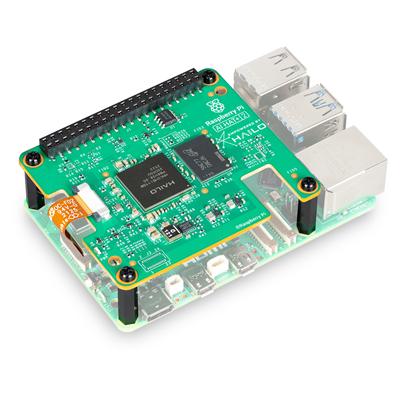
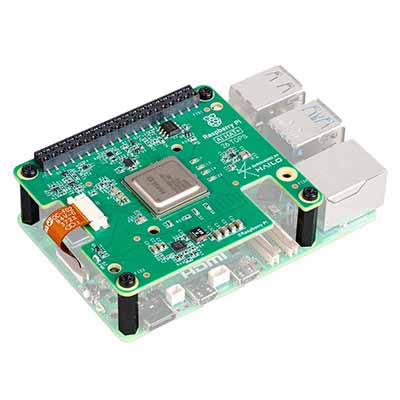
In fact, Raspberry Pi users have been developing machine learning applications on its platforms for more than a decade. As AI technology continues to advance rapidly, Raspberry Pi has also introduced a range of AI products, helping developers and businesses explore AI applications more easily.
Looking ahead, Brian expects more and more companies to leverage Raspberry Pi technology for AI deployments.
However, AI is not the whole story. In industrial environments, there is still strong demand for low-cost controllers and edge computing devices. Brian reflected:“We are very proud that Raspberry Pi hardware can serve as the foundation for these applications.”
After Shenzhen, Where Will Raspberry Pi Go Next?
From its original mission of helping children learn computer science, to now supporting industrial automation, edge computing, and AI applications, the Raspberry Pi story continues to evolve.It was once a small board that opened the door to the world of computing for young people. Today, it is becoming an important tool for businesses exploring intelligent applications.
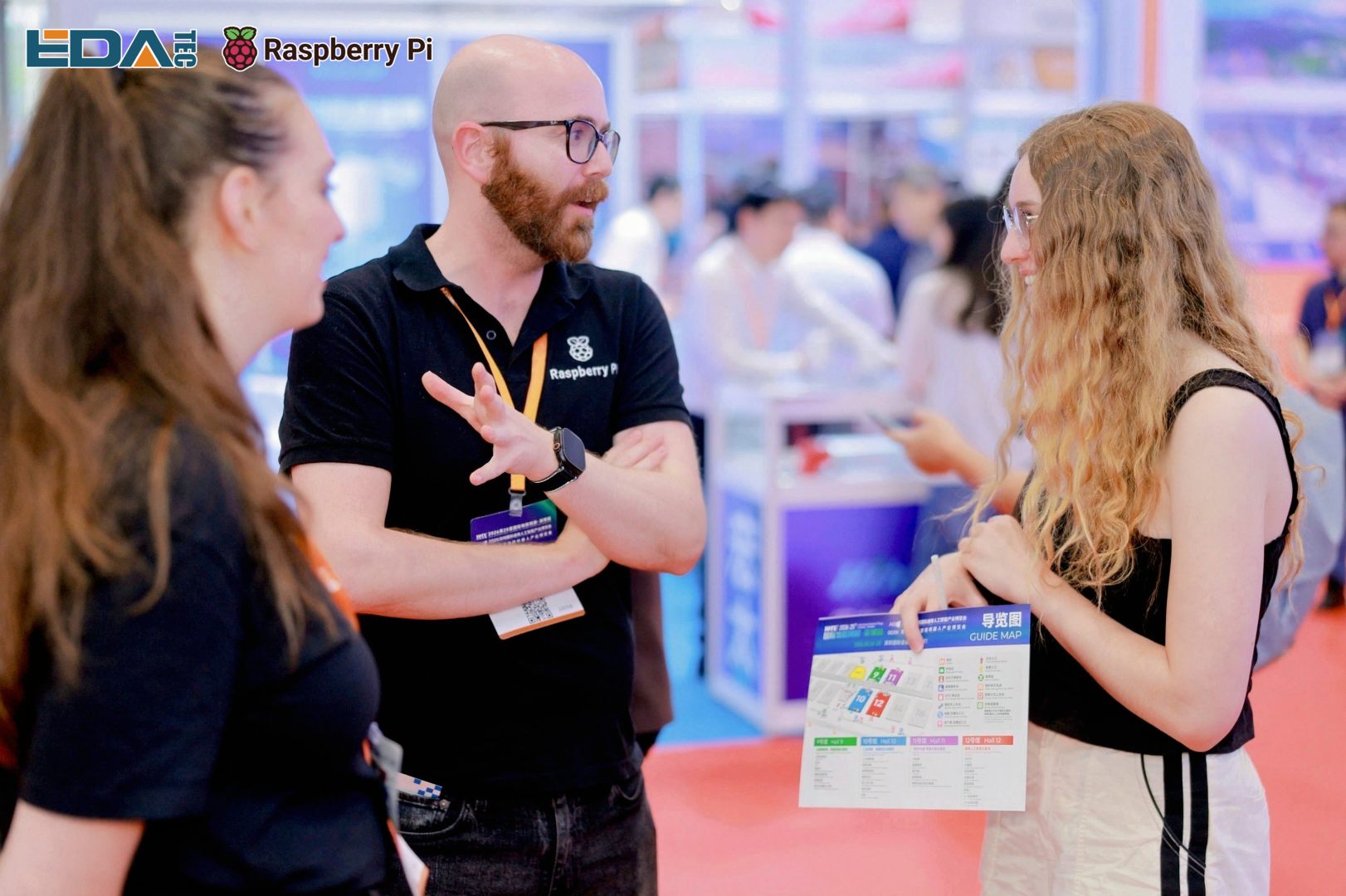
The IOTE Shenzhen exhibition also showed Raspberry Pi even more possibilities: a place where developers, businesses, and innovators are turning a “small computer” into impactful real-world applications.
Looking ahead, Raspberry Pi will continue connecting global developers with the broader industrial ecosystem, helping more ideas move from desktops into the real world.